|
Properties |
Unit |
Specs |
|
Density |
Kgs/M3 |
36-40 |
|
Compressive Strength |
Kg/cm2 |
>1.2 |
|
K-Value |
W/moK |
0.024 |
|
Dimensional Stability @ -25oC for 72 Hours |
% |
<1< /span> |
|
Close Cell Content |
% |
>92 |
|
Properties |
Unit |
Specs |
|
Density |
Kgs/M3 |
65+/-5 |
|
Compressive Strength |
Kg/cm2 |
>>3 |
|
K-Value |
W/moK |
>0.027 |
|
Dimensional Stability @ -25oC for 72 Hours |
% |
<1< /span> |
|
Dimensional Stability @ -70oC for 48 Hours |
% |
<2 |
|
Flammability |
Class |
B2 |
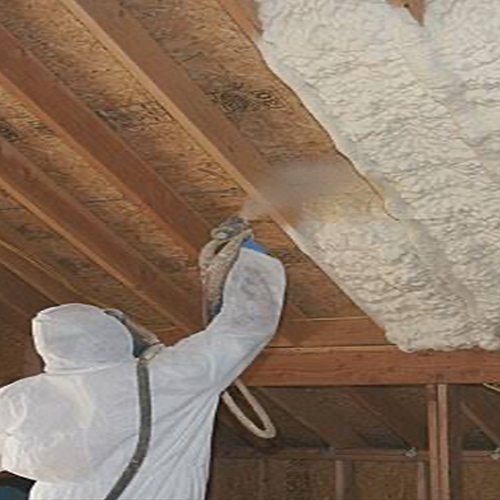
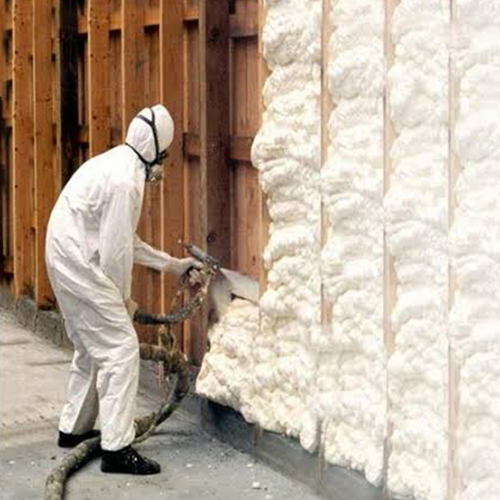
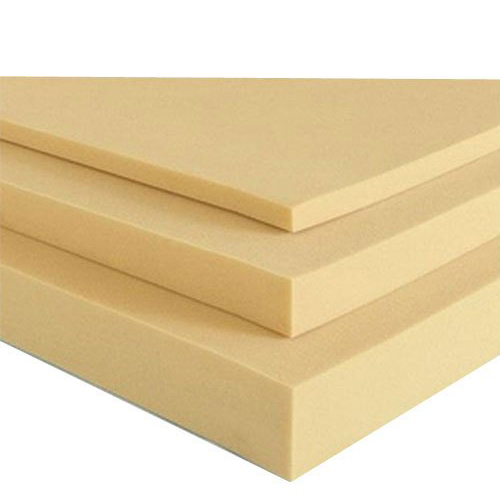
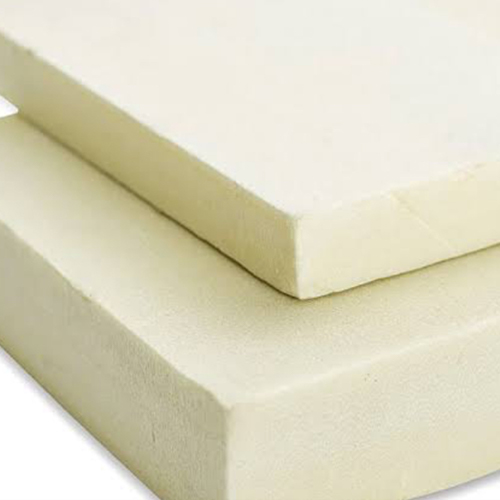
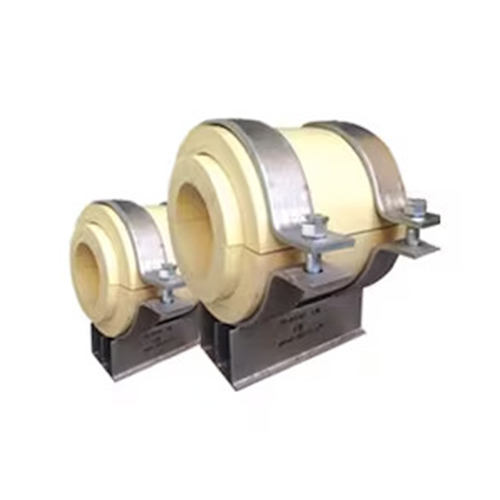
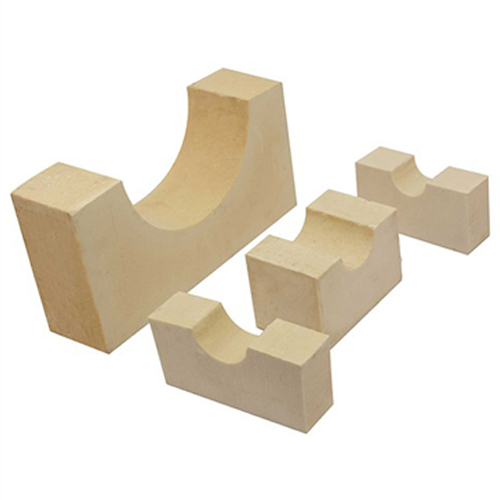
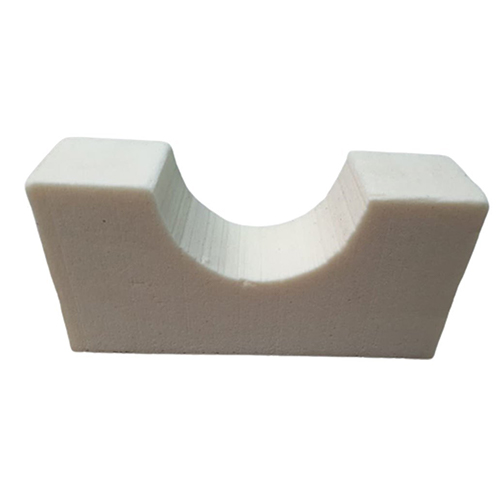
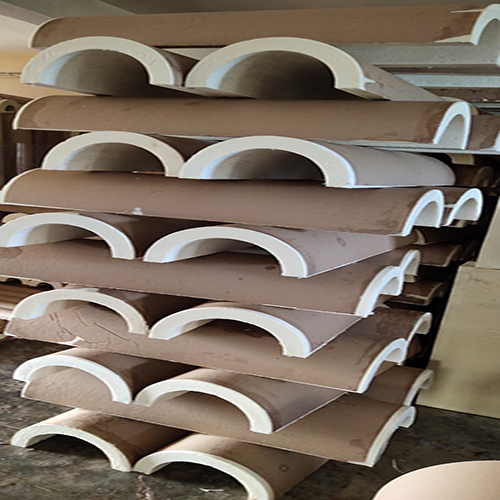
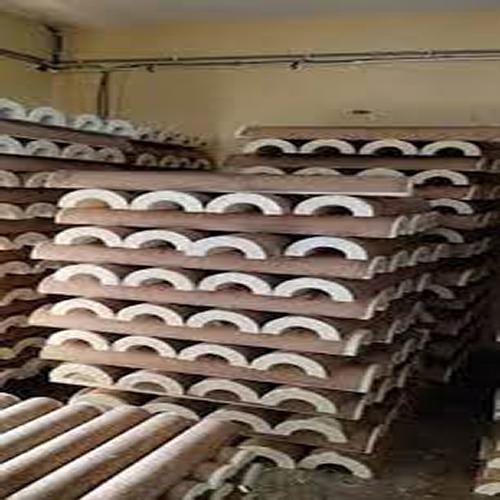
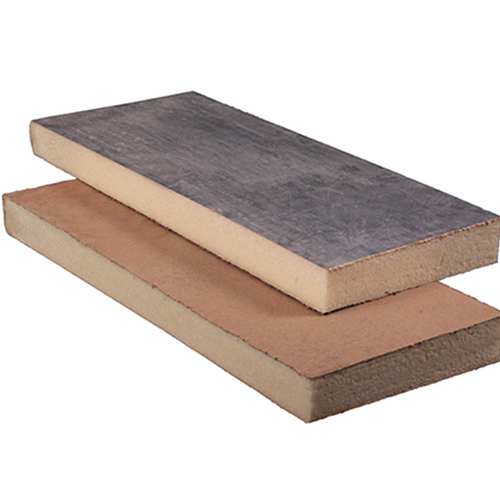
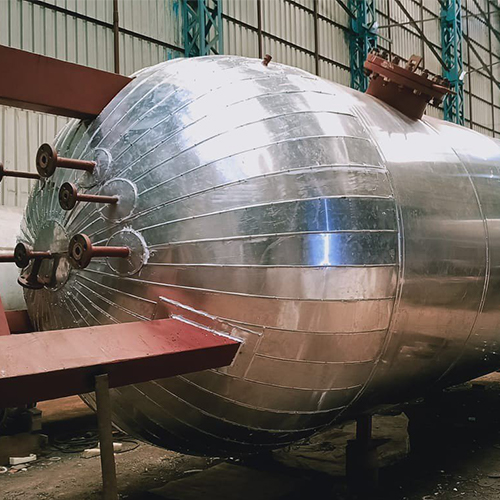
Foams are used in commercial and residential insulation because it is energy-efficient and versatile. This foam keeps buildings cool in the summer and warm in the winter. It also dampens exterior noises. Because polyurethane can be made into a firm shape or used as a foam, it can be used to insulate homes, electronics, and cars. Polyurethane works to maintain desirable temperatures and to keep exterior noises out of vehicles and buildings. It is water-resistant, abrasion-resistant, noise-dampening all of these benefits, polyurethane is also cost-effective.
Polyurethane (PU) foams are created via the chemical reactions arising after the blending of two initially liquid components (polyols and isocyanates). They are widely used for thermal insulation, for which a small pore size is required.
MDI is imported and supplied along with Polyols for Polyurethane Foam manufacturing. Isocyanate are more reactive, are responsible for the curing process, and lead to the rigid part of the polyurethanes, therefore, excess addition of isocyanate provides more rigid and hydrophobic polyurethanes
.jpg)
.jpg)
We’re experts in Manufacturing of Multiple products in Polyurethane and Cosmetics Industry.

Our mission is to produce and sale standard quality Products & Solutions, based on precise technology and eco-friendly resources, for our esteemed customers. We want to be recognized as most eco-friendly, human caring & nurturing manufacturer by end-user, resulting in enhancement of the life & style of our customer.
